35 Powerful Bible Verses About Yoke
Site Admin22 min read
The concept of the “yoke” appears frequently in Scripture, often symbolizing burdens, oppression, or obligations. In biblical times, a yoke was a wooden beam placed across the necks of oxen to help them pull heavy loads together. Spiritually, the yoke is a metaphor for whatever binds, limits, or weighs down the believer’s life, whether sin, worldly pressure, or spiritual challenges. Understanding the yoke is essential for Christians seeking freedom and rest through Jesus Christ. Scripture teaches that while some yokes are imposed by life or circumstances, God offers a yoke that is easy and a light burden.
In the Old Testament, yokes often represented bondage or servitude. For instance, Israel carried the yoke of foreign powers or sin, which constrained their spiritual and physical freedom. Prophets like Jeremiah and Isaiah spoke against these oppressive yokes, urging the people to seek the Lord and experience His liberating power. Through these references, believers are reminded that God is aware of their struggles and that liberation is available through Him. The Old Testament establishes the foundation for understanding the spiritual significance of a yoke and the hope of release from it.
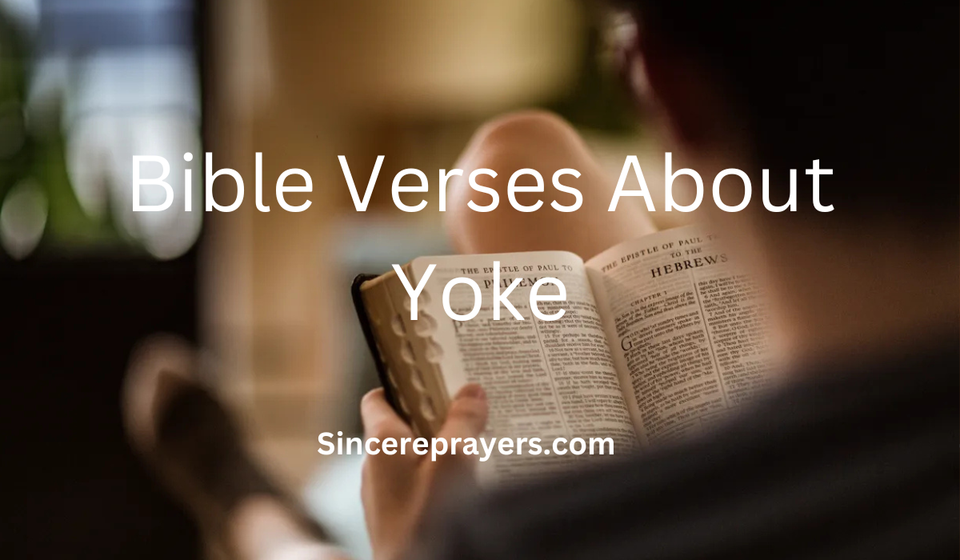
The New Testament deepens this understanding by showing the difference between burdensome yokes of human rules versus the yoke of Christ. In Matthew 11:28-30, Jesus invites those who are weary and burdened to come to Him. He promises rest for their souls and speaks of His yoke as easy and His burden as light. This is not merely a metaphor but a spiritual principle: following Christ does not remove responsibility, but it transforms how we bear it. The yoke of Christ brings partnership, guidance, and divine support. Believers are called to embrace this yoke to experience spiritual freedom, peace, and strength.
Today, Christians encounter many metaphorical yokes: stress, anxiety, addiction, relational struggles, and societal pressures. Learning from Scripture about God’s guidance and His invitation to exchange burdens is transformative. Understanding the yoke in both its Old and New Testament contexts helps us identify what binds us and what frees us. This post explores 35 powerful Bible verses about yoke, illustrating how God desires to replace heavy burdens with His gentle, supportive, and life-giving yoke. Through these verses, we discover a pathway from weariness to rest, from bondage to liberation, and from striving to surrender in God’s perfect will.
35 Powerful Bible Verses About Yoke in 2026
1. Matthew 11:28-30
“Come to me, all you who are weary and burdened, and I will give you rest. Take my yoke upon you and learn from me, for I am gentle and humble in heart, and you will find rest for your souls. For my yoke is easy and my burden is light.”Jesus offers an extraordinary invitation to those struggling under life’s pressures. The yoke symbolizes partnership with Him, not oppression. Unlike the heavy burdens of sin, legalism, or worldly stress, Christ’s yoke is easy because He carries the weight with us. Learning from Him brings wisdom, humility, and peace. Accepting this yoke transforms how we approach responsibilities, teaching reliance on His strength rather than our own. This passage assures believers that surrender to Jesus leads to spiritual rest, renewed strength, and freedom from anxiety.
2. Galatians 5:1
“It is for freedom that Christ has set us free. Stand firm, then, and do not let yourselves be burdened again by a yoke of slavery.”Paul emphasizes that Christ’s liberation is complete and lasting. The “yoke of slavery” refers to sin, legalism, and oppressive religious traditions that enslave the soul. Believers are reminded to stand firm in their freedom and not return to habits or obligations that weigh down spiritual life. This verse highlights that God’s gift of freedom requires vigilance and discernment. Living under Christ’s guidance replaces oppressive yokes with joyful responsibility, allowing us to grow in faith, bear spiritual fruit, and experience the liberty intended for those redeemed by God’s grace.
3. Jeremiah 28:10
“Then the prophet Hananiah took the yoke off the prophet Jeremiah’s neck and broke it.”Here, a yoke symbolizes the burden of oppression or impending judgment. Hananiah’s action, removing Jeremiah’s yoke, communicates the potential for relief and divine intervention. In Jeremiah’s life, yokes also represented God’s discipline and the heavy responsibility of prophecy. This event teaches that God can lift burdens in His timing and according to His will. Spiritual yokes, whether for testing or trial, are not permanent. God provides liberation and rest when faithfulness endures. Believers can trust that oppressive circumstances or spiritual responsibilities can be lightened through God’s power and guidance.
4. Lamentations 3:27
“It is good for a man to bear the yoke while he is young.”This verse teaches the value of early discipline and responsibility. Bearing a yoke in youth fosters character, perseverance, and spiritual maturity. Life’s challenges, though heavy at first, develop resilience and humility when approached faithfully. The yoke is not merely punishment but a tool for preparation, shaping believers to withstand future trials with wisdom. Accepting responsibilities under God’s guidance ensures personal growth and strengthens dependence on Him. This principle reminds us that struggles in life are opportunities for God to cultivate patience, obedience, and spiritual depth, forming the foundation for a faithful, fruitful life.
5. Isaiah 10:27
“In that day their burden will be lifted from your shoulders, their yoke from your neck; the yoke will be broken because you have grown so fat.”Isaiah prophesies freedom from oppressive burdens imposed by enemies or sin. The “yoke” represents hardship, subjugation, and spiritual weight. God promises deliverance, breaking the yoke and lifting oppression, demonstrating His power and care for His people. The imagery of growth indicates preparation and readiness to receive freedom. This verse encourages believers that no burden is permanent and divine intervention can bring relief when least expected. Trusting in God’s timing allows faith to remain steadfast, knowing that He will liberate, restore dignity, and replace heavy yokes with peace, blessing, and spiritual rejuvenation.
6. 1 Corinthians 9:27
“But I discipline my body and keep it under control, lest after preaching to others I myself should be disqualified.”Paul compares spiritual discipline to a yoke, illustrating voluntary restraint for the sake of God’s mission. Just as a yoke directs and shapes oxen, self-control guides the believer’s life in alignment with God’s will. Paul’s concern highlights that preaching or teaching without personal obedience is futile. Embracing this “yoke” of discipline requires intentional effort, accountability, and humility. It ensures that spiritual growth and ministry are authentic. Believers learn that willingly submitting to God’s rules, rather than succumbing to indulgence or weakness, produces fruitful service, moral integrity, and lasting spiritual maturity.
7. Acts 15:10
“Now then, why do you try to test God by putting on the necks of Gentiles a yoke that neither we nor our ancestors have been able to bear?”The early church wrestled with legalistic yokes imposed on Gentile converts. These burdens—rituals and laws—were heavy and spiritually restrictive. Peter and the apostles argued against forcing these yokes, emphasizing God’s grace. This verse teaches that imposing unnecessary burdens can obstruct faith and hinder freedom in Christ. Believers are called to discern between God-given responsibility and human-imposed weight. True obedience flows from love and conviction, not compulsion. By rejecting oppressive yokes, Christians embrace liberty, spiritual growth, and the inclusive nature of God’s grace, allowing faith to flourish naturally without unnecessary strain.
8. Deuteronomy 28:48
“Therefore you shall serve your enemies… with a yoke of iron.”Here, the yoke represents oppression and consequences for disobedience. Israel’s failure to follow God’s commands led to subjugation under foreign powers. The “yoke of iron” symbolizes an unyielding, heavy burden, reminding believers that sin and rebellion have tangible spiritual and physical consequences. This verse teaches accountability and the seriousness of ignoring God’s guidance. Yet, it also underscores His justice and sovereignty. While burdens may come from sin or judgment, God’s Word provides the path to avoid them. Understanding this principle encourages obedience, reverence, and proactive faith, fostering freedom from metaphorical and literal yokes in life.
9. Ezekiel 30:20
“Egypt will be put under the yoke of the king of Babylon.”Prophetic imagery shows yokes as tools of authority, submission, and judgment. Egypt’s subjugation reflects consequences for national sin and idolatry. This verse reminds believers that turning from God invites burdens and oppression. The yoke symbolizes both restriction and accountability. Recognizing this principle teaches that obedience to God brings freedom, while rebellion invites restraint or discipline. Spiritual yokes, whether imposed externally or resulting from personal sin, highlight the need for humility and reliance on God. Believers are encouraged to seek His protection and guidance, avoiding the destructive weight of disobedience.
10. Matthew 23:4
“They tie up heavy, cumbersome loads and put them on other people’s shoulders, but they themselves are not willing to lift a finger to move them.”Jesus critiques religious leaders who impose spiritual burdens without providing help or support. The “yoke” here represents heavy rules and legalistic obligations that burden the faithful while enriching the leaders’ status. Believers are cautioned to discern oppressive teaching and to avoid adding unnecessary weight to others. True spiritual leadership provides guidance, support, and empowerment rather than exploitation. This verse reminds Christians to follow Christ’s model of compassion, humility, and service. The yoke of Christ is easy because it is shared, not imposed, highlighting His gentle, guiding presence in every believer’s life.
11. Isaiah 58:6
“Is not this the kind of fasting I have chosen: to loose the chains of injustice and untie the cords of the yoke, to set the oppressed free and break every yoke?”Isaiah reveals God’s desire for true spiritual liberation. The yoke represents oppression, injustice, and bondage, whether societal or personal. Fasting and devotion are not mere rituals; they are meant to lead to action that relieves suffering. God calls believers to actively remove burdens, demonstrate justice, and set captives free. This verse emphasizes that faith is relational and transformative, affecting not only the individual but the community. By partnering with God, Christians can dismantle spiritual and practical yokes in the world, reflecting His justice and mercy in tangible ways.
12. Jeremiah 5:5
“Run to and fro through the streets of Jerusalem, look around and take note! Search through her squares; if you can find but one person who deals honestly and seeks the truth, I will forgive this city.”While this verse doesn’t mention “yoke” explicitly, it implies the burdens of sin and injustice that weigh on the city. The metaphorical yoke is corruption, deceit, and spiritual blindness. God longs for honesty, truth, and accountability to lift oppressive burdens. For believers, this teaches that recognizing societal or personal yokes is essential. By pursuing righteousness and integrity, one aligns with God’s purpose. Faithfulness in small actions can break chains of injustice and spiritual oppression. Obedience and uprightness invite God’s forgiveness, lightening life’s burdens and allowing His peace to reign.
13. Matthew 6:24
“No one can serve two masters. Either you will hate the one and love the other, or you will be devoted to the one and despise the other. You cannot serve both God and money.”Here, the yoke is implicit in divided allegiance. Serving wealth, power, or worldly desires imposes a spiritual burden that conflicts with serving God. Jesus warns that attempting to serve both masters creates strain, unrest, and eventual failure. Believers are called to unburden themselves by aligning fully with God’s will. Choosing God as Master lightens the yoke and brings peace, purpose, and eternal reward. This verse highlights that spiritual freedom comes from surrender, single-minded devotion, and prioritizing divine priorities above human distractions or material pressures.
14. Psalm 89:34
“I will not violate my covenant or alter what my lips have uttered.”God’s covenant is a protective yoke, binding Him to faithfulness for His people. While human yokes often signify burdens or oppression, God’s commitments provide security, guidance, and blessing. Trusting His promises lightens the believer’s spiritual load, knowing that God never abandons or changes His word. This verse reassures Christians that divine obligations are not oppressive but sustaining. When life feels heavy, remembering God’s faithful covenant provides comfort, direction, and stability. His yoke empowers believers to walk confidently, assured that His plans are constant, just, and full of mercy.
15. Ezra 9:8
“But now, for a brief moment, the Lord our God has been gracious in leaving us a remnant and giving us a firm place in His sanctuary.”In context, the yoke represents exile, guilt, and separation from God due to sin. Ezra acknowledges God’s mercy in sparing a remnant, lifting the oppressive burden of total destruction. Believers learn that even after failure or heavy burdens, God provides restoration, a firm foundation, and spiritual security. The yoke of discipline is softened by His grace. Life’s struggles, when submitted to God, become tools for spiritual growth, leading to renewed purpose and stability. Trusting God’s providence transforms what feels like oppression into opportunity for faithfulness and gratitude.
16. Jeremiah 27:6
“Now I will give all your countries into the hands of my servant Nebuchadnezzar king of Babylon; I will make even the wild animals subject to him.”Here, the yoke is symbolic of political domination and submission. Nations under Babylon experienced literal and figurative yokes of authority. God, however, directs these events, demonstrating His sovereignty. For believers, this teaches that some burdens or yokes are under God’s control, even when circumstances feel oppressive. Understanding divine authority encourages trust, patience, and faith in God’s plan. By surrendering to His guidance, believers can endure hardships with hope, knowing that even heavy yokes may serve a higher purpose, shaping character, discipline, and reliance on God’s wisdom.
17. Luke 6:40
“The student is not above the teacher, but everyone who is fully trained will be like their teacher.”Spiritual training is a form of a yoke—structured guidance for growth. Jesus teaches that submitting to instruction and mentorship, though demanding, shapes character, skill, and faith. The yoke of discipleship is not oppressive; it is transformative. By following Christ’s example, believers exchange burdensome ignorance for empowered wisdom. The process may require effort and obedience, but the outcome is spiritual maturity. Accepting this yoke brings alignment with God’s ways, disciplined living, and fruitfulness in service. It reminds Christians that guidance under the right authority produces freedom, not constraint.
18. Nehemiah 9:37
“Because of our sins, you delivered us into the hands of our enemies, who ruled over us. We were under their power, and we bore the yoke of slavery.”Here, the yoke symbolizes the consequences of sin—subjugation and oppression. Nehemiah recounts Israel’s captivity under foreign rulers, linking it to disobedience. Spiritual and moral failures often create heavy burdens in life. This verse teaches that recognizing sin and turning to God relieves oppressive yokes. Confession, repentance, and reliance on His mercy provide freedom and restoration. Believers can learn that accountability and humility lighten life’s burdens and that God is faithful to deliver and restore those willing to seek His mercy.
19. 2 Corinthians 6:14
“Do not be yoked together with unbelievers. For what do righteousness and wickedness have in common? Or what fellowship can light have with darkness?”The yoke here symbolizes spiritual partnership. Paul warns against being bound to unbelievers in ways that compromise faith. Unequal yoking can lead to conflict, compromise, and spiritual heaviness. Christians are called to maintain integrity and align with those who share their devotion to God. Choosing relationships wisely protects spiritual freedom and lightens unnecessary burdens. This verse teaches discernment in personal and business relationships, showing that yokes are not only about obedience but also about whom or what we attach ourselves to. Proper yoking encourages growth and harmony in faith.
20. Ruth 2:2
“And Ruth the Moabite said to Naomi, ‘Let me go to the fields and pick up the leftover grain behind anyone in whose eyes I find favor.’”Ruth willingly submitted to a form of yoke—labor and dependence on God’s provision through others. The yoke of work here teaches humility, diligence, and faith in God’s guidance. Even burdensome labor can be sanctified when aligned with God’s plan and integrity. Ruth’s example demonstrates that voluntary yokes, accepted in obedience and trust, lead to blessing, provision, and eventual elevation. Life’s responsibilities, when embraced with faith and humility, become instruments of growth, character formation, and divine favor rather than oppressive weight.
21. Leviticus 26:13
“I am the Lord your God, who brought you out of Egypt so that you would no longer be slaves to the Egyptians; I broke the bars of your yoke and enabled you to walk with heads held high.”Here, the yoke symbolizes slavery and oppression. God reminds Israel of His power to deliver them from bondage and to restore dignity. The “bars of your yoke” refer to constraints and hardships they endured under foreign oppression. For believers, this verse emphasizes God’s ability to liberate from spiritual, emotional, and physical burdens. Trusting in His strength allows freedom from slavery to sin or oppressive circumstances. God’s deliverance transforms suffering into hope, giving the believer confidence, honor, and the ability to walk freely in His purpose.
22. Isaiah 58:6-7
“Is not this the kind of fasting I have chosen: to loose the chains of injustice and untie the cords of the yoke, to set the oppressed free and break every yoke?”Isaiah reinforces that spiritual devotion is meant to relieve oppression. The yoke represents burdens caused by injustice, sin, and exploitation. True fasting and obedience involve actively lifting the weight of others’ struggles. God desires that believers participate in His redemptive work, breaking metaphorical yokes through acts of mercy and justice. Spiritual freedom comes when we align our hearts with His purposes. By engaging in Godly service, we experience partnership with Him, gain insight into His justice, and participate in removing burdens, reflecting His compassion and power in a tangible, transformative way.
23. Matthew 10:38
“Whoever does not take up their cross and follow me is not worthy of me.”Taking up the cross is a voluntary yoke of discipleship. It represents sacrifice, obedience, and commitment to Christ despite life’s challenges. While burdens are inevitable, Christ equips believers with strength and purpose to endure them. This verse teaches that true freedom and spiritual maturity come from aligning one’s will with God’s. The yoke of the cross is lightened through faith, hope, and reliance on Jesus. Accepting this yoke enables believers to navigate trials with confidence, participate in God’s mission, and find eternal reward in faithful, obedient service.
24. Luke 9:23
“Then he said to them all: ‘Whoever wants to be my disciple must deny themselves and take up their cross daily and follow me.’”This verse highlights the ongoing nature of the yoke of discipleship. Daily self-denial and submission to Christ’s guidance are necessary for spiritual growth. Though the burden may feel heavy at times, Jesus promises companionship, strength, and transformation through this yoke. By following Him, believers are shaped in character, humility, and faith. The yoke is not a symbol of oppression but of partnership. Accepting it daily ensures that life’s challenges are met with divine strength, transforming trials into opportunities for growth and deepening intimacy with God.
25. Exodus 34:23
“Three times a year all your men are to appear before the Sovereign Lord, the God of Israel.”The yoke of covenant obedience is expressed in this practice of pilgrimage and worship. Though it may require effort and sacrifice, it reflects dedication, dependence on God, and communal unity. Voluntary obedience to God’s commands brings blessing, guidance, and spiritual growth. What may seem burdensome is an opportunity to draw closer to Him. Believers learn that certain yokes, though demanding, produce fruitful results and deepen faith. God’s yoke shapes hearts, reinforces discipline, and establishes patterns that honor Him while strengthening spiritual resilience and trust.
26. Jeremiah 27:8
“Now I will give all your countries into the hands of my servant Nebuchadnezzar king of Babylon; I will make even the wild animals subject to him. All nations will serve him and his son and his grandson until the time of his own land comes.”Here, the yoke represents enforced submission to authority and divine orchestration of history. God controls the outcome of nations, even through seemingly harsh burdens. Believers learn that some yokes are part of God’s larger plan to teach obedience, patience, and trust. While the weight of circumstances may feel heavy, God’s sovereignty assures that He directs all events toward His purposes. Submitting to His will allows believers to bear burdens without fear, knowing that God’s timing and control ultimately bring restoration, order, and spiritual growth, even through hardship.
27. Nehemiah 4:17
“Those who carried materials did their work with one hand and held a weapon in the other.”The yoke here is both literal and symbolic—balancing construction and defense. Life’s burdens often require vigilance, effort, and faith simultaneously. Believers must carry responsibilities while relying on God’s protection and guidance. This verse teaches that God equips His people to endure multiple challenges through discipline and reliance on Him. Spiritual yokes are often paired with preparation and perseverance. By embracing God’s guidance, believers can manage responsibilities, protect their integrity, and remain steadfast, transforming heavy burdens into opportunities for strength, resilience, and divine partnership.
28. 1 Peter 5:2-3
“Be shepherds of God’s flock that is under your care, watching over them—not because you must, but because you are willing, as God wants you to be; not pursuing dishonest gain, but eager to serve.”The yoke of leadership is meant to be willing and joyful, not oppressive. God calls shepherds to carry the spiritual burdens of others with humility, diligence, and integrity. Voluntary yokes, aligned with God’s will, produce blessing, growth, and protection for the flock. Leaders reflect God’s heart by sharing burdens rather than exploiting them. This verse teaches that the weight of responsibility is light when motivated by love, faithfulness, and obedience. Accepting God-given yokes in service ensures growth, accountability, and the multiplication of God’s purposes through faithful stewardship.
29. Colossians 3:23-24
“Whatever you do, work at it with all your heart, as working for the Lord, not for human masters, since you know that you will receive an inheritance from the Lord as a reward. It is the Lord Christ you are serving.”The yoke of work becomes meaningful when undertaken for God rather than humans. Ordinary duties, responsibilities, and challenges are transformed into spiritual service. Believers are encouraged to view their daily labor as an offering to God, lightening the weight of effort through purpose. This perspective turns obligation into devotion, and hardship into growth. Accepting this yoke aligns the heart with God’s mission, producing satisfaction, blessing, and eternal reward. When life’s tasks are yoked with faith, believers experience strength, motivation, and fulfillment beyond the immediate effort.
30. Proverbs 3:5-6
“Trust in the Lord with all your heart and lean not on your own understanding; in all your ways submit to him, and he will make your paths straight.”Submitting to God’s guidance is a spiritual yoke that requires trust and surrender. Though relinquishing control can feel burdensome, God promises direction, clarity, and support. This verse highlights that the right yoke brings guidance and peace, not oppression. Believers learn to rely on divine wisdom, replacing anxiety and doubt with faith and obedience. Trusting God transforms the weight of decision-making into purposeful direction, making life’s burdens manageable. His yoke provides structure, protection, and blessing while allowing spiritual growth, maturity, and confidence in His faithful guidance.
31. Psalm 2:9
“You will break them with a rod of iron; you will dash them to pieces like pottery.”This verse shows the opposite aspect of a yoke—divine authority over disobedience. The yoke here represents judgment and discipline imposed by God upon the rebellious. It reminds believers that submission to His will avoids harsh consequences. The metaphor teaches respect for God’s authority and the spiritual freedom found in obedience. Those who embrace His guidance experience protection, growth, and blessing, while resisting results in oppression and suffering. Recognizing God’s yoke as protective, not punitive, encourages faithful living under His care, ensuring stability and spiritual security.
32. Psalm 69:33
“The Lord hears the needy and does not despise his captive people.”Oppression, sin, and hardship often act as burdens or yokes in life. This verse reassures believers that God notices those weighed down by suffering and injustice. The yoke of affliction is not ignored by the Lord; He provides aid, comfort, and deliverance. Believers learn to trust God’s timing and care, even when human circumstances seem heavy. God’s attention lightens burdens and restores hope, demonstrating that the spiritual yoke of hardship can become an opportunity for reliance on Him, strengthening faith and intimacy with God during trials and adversity.
33. Isaiah 9:4
“For as in the day of Midian’s defeat, you have shattered the yoke that burdens them, the bar across their shoulders, the rod of their oppressor.”God’s deliverance is vividly portrayed as breaking the yoke of oppression. The yoke represents enemy subjugation, injustice, and hardship. This verse celebrates freedom and restoration through divine intervention. Believers are encouraged to trust God to remove burdens, whether physical, emotional, or spiritual. The image of breaking yokes inspires hope, emphasizing that oppression is temporary under God’s sovereignty. Spiritual liberation through God transforms lives, replaces fear with faith, and provides strength to endure future challenges. The faithful experience His power in breaking every form of spiritual or earthly bondage.
34. Jeremiah 31:31-32
“The days are coming,” declares the Lord, “when I will make a new covenant with the people of Israel… not like the covenant I made with their ancestors… though I was their master, they did not obey me.”The old covenant was a yoke of law, often highlighting human failure and sin. God promises a new covenant that transforms the heart, replacing burdensome obligation with relational obedience empowered by His Spirit. Believers understand that the right yoke is relational, not oppressive. Christ fulfills this covenant, offering freedom, grace, and internal transformation. Following Him lightens spiritual weight and enables fruitful living. This verse reassures Christians that God’s yoke is restorative, not punitive, providing guidance, mercy, and empowerment for obedience without the crushing weight of legalism.
35. Romans 6:14
“For sin shall no longer be your master, because you are not under the law, but under grace.”The yoke of sin is replaced with the yoke of grace in Christ. Believers are liberated from oppressive spiritual bondage, finding freedom in God’s mercy. Living under grace allows obedience out of love and faith, not fear or compulsion. This verse highlights that the right yoke guides and strengthens, offering peace and purpose rather than oppression. Spiritual freedom comes from aligning with God’s will and embracing Christ’s provision. Grace transforms what once weighed heavily into opportunity for growth, joy, and intimate fellowship with God, enabling a light and easy yoke for the faithful.
Conclusion
The biblical teaching on yokes reminds us that not all burdens are equal. While some yokes symbolize discipline, growth, or divine testing, others represent oppression, sin, or legalism. Understanding this distinction is vital for a Christian life anchored in freedom and grace. Accepting the yoke of Christ does not remove responsibility but transforms it, allowing believers to walk with divine support and guidance. Through Scripture, we learn that God’s yoke offers rest, peace, and spiritual partnership unlike any worldly burden.
The imagery of the yoke also encourages spiritual self-reflection. Are we carrying burdens unnecessarily? Are we imposing heavy yokes on others? The Bible offers both caution and hope: it warns against legalistic and oppressive yokes while assuring us of God’s deliverance and the easy yoke of Christ. Believers are called to seek God’s guidance, surrender their struggles, and embrace spiritual disciplines that lead to growth and freedom. By examining the examples of oppression, discipline, and liberation in Scripture, we can discern which yokes are godly and which are harmful.
Ultimately, the 35 Bible verses about yoke remind us of God’s faithfulness and the transformative power of His Word. Christ invites every weary soul to exchange the heavy burdens of life for His light and easy yoke. In doing so, we discover spiritual freedom, inner peace, and the joy of walking daily with God. These verses serve as a roadmap, guiding believers toward a life of rest, obedience, and empowerment. As we submit to His yoke, we gain strength not from ourselves but from the One who carries us through every trial and challenge.