35 Most Inspiring Bible Verses About Honesty
Site Admin19 min read
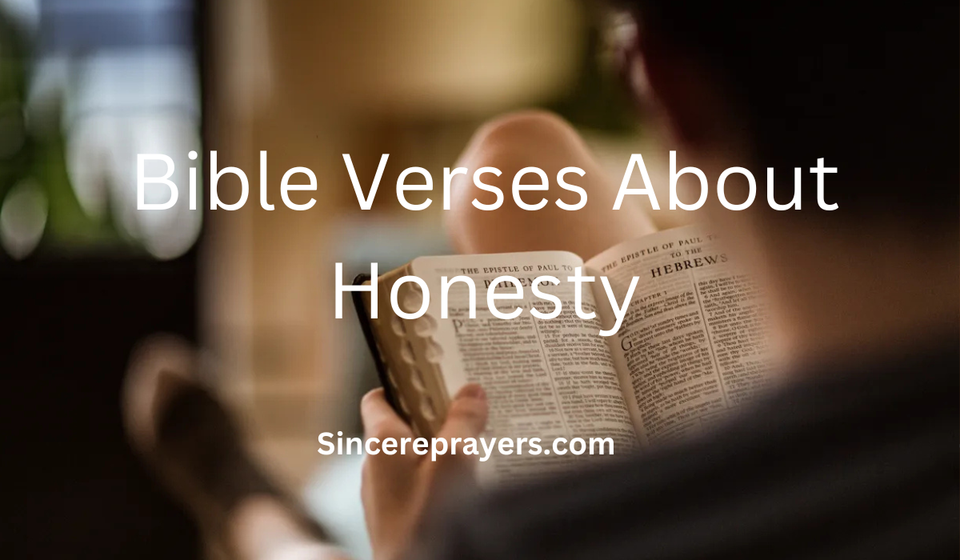
Honesty is a cornerstone of Christian character, reflecting the integrity of God Himself. The Bible consistently emphasizes the importance of truthfulness in thought, speech, and action. Living honestly is not merely avoiding lies; it is embracing a lifestyle of transparency, sincerity, and moral courage. When we act with honesty, we honor God, build trust with others, and experience peace in our conscience. In a world where deception and half-truths are common, the call to honesty stands out as both countercultural and profoundly transformative.
The Scriptures teach that honesty is intimately connected with righteousness and justice. Proverbs frequently contrasts deceit with truth, highlighting the consequences of dishonesty and the blessings of integrity. The lives of biblical figures like Joseph, Daniel, and Jesus Himself demonstrate that honesty is not always easy, but it is always rewarding. Even in challenging circumstances, speaking truth and living transparently aligns us with God’s will and preserves our witness before others. Honesty becomes a tangible expression of faithfulness to God, illustrating that our character reflects His nature.
Honesty also fosters strong relationships and social trust. When individuals or communities practice honesty, they create environments where justice, fairness, and love can flourish. Conversely, dishonesty corrodes trust and fractures relationships. The Bible underscores that words carry immense power; what we say, how we say it, and whether we speak truthfully influence our reputation and our spiritual standing. Being honest is, therefore, not only a moral obligation but also a practical necessity for maintaining godly relationships and avoiding the pitfalls of deception.
Ultimately, honesty reflects the heart’s alignment with God. Beyond rules or societal expectations, living truthfully nurtures inner integrity and spiritual growth. God values sincerity, and He is keenly aware of our motives and actions. By committing to honesty, we model Christ in our daily lives, exemplify moral courage, and cultivate a life of peace and trustworthiness. The following 35 Bible verses about honesty provide practical guidance, encouragement, and inspiration to live transparently in every aspect of life.
35 Most Inspiring Bible Verses About Honesty in 2026
1. Exodus 4:12
“Now go; I will help you speak and will teach you what to say.”In this pivotal moment, God calls Moses to stand before Pharaoh and lead the Israelites out of Egypt. Moses, feeling inadequate and fearful due to his lack of eloquence, hesitates. God’s response is both empowering and instructive—He promises to be the source of Moses’ speech. This verse teaches us that divine guidance equips us to speak truthfully even when we doubt ourselves. Honest communication is rooted in reliance on God, showing that integrity and truthfulness are strengthened by His presence and wisdom, not just human ability.
2. Numbers 22:38
“I must speak only what God puts in my mouth.”Balaam’s declaration reveals a reverence for the authority of God’s words. Though tempted by wealth to curse Israel, he acknowledges that genuine speech must come from God alone. This verse highlights the sacred responsibility of speaking truthfully and avoiding manipulation or deception. Honest words require discernment and alignment with divine will. It reminds believers that integrity in speech is more than avoiding lies—it is committing our words to God, ensuring that our communication is morally grounded, spiritually guided, and reflects sincerity and obedience rather than selfish ambition.
3. Proverbs 12:22
“The LORD detests lying lips, but he delights in people who are trustworthy.”This proverb emphasizes that honesty pleases God, while deception provokes His displeasure. Trustworthiness is not merely a social virtue; it is a reflection of spiritual alignment with God’s nature. Living honestly strengthens relationships and builds personal credibility, demonstrating integrity in every interaction. Speaking truthfully honors God and attracts His blessing. It teaches that honesty requires intentionality, moral courage, and awareness of our words. Our commitment to truth becomes a reflection of divine character, showing that God delights in those who consistently uphold integrity in speech and action.
4. Proverbs 19:1
“Better is a poor man who walks in his integrity than a rich man who is crooked in his ways.”This verse teaches that integrity surpasses wealth or social status. Walking in honesty and righteousness, even in difficult circumstances, reflects a heart aligned with God’s will. Moral character is far more valuable than material gain. The poor man’s integrity demonstrates that living truthfully fosters lasting respect, trust, and spiritual reward. Choosing honesty over deceit cultivates strength of character, spiritual resilience, and divine approval. This proverb challenges believers to prioritize Godly principles over worldly advantage, showing that living with moral courage is always worth more than temporary gain or prosperity gained through dishonesty.
5. Proverbs 21:6
“A fortune made by a lying tongue is a fleeting vapor, but the one who gathers by labor prospers.”This verse highlights the fleeting nature of dishonest gain. Wealth achieved through lies or deception is unstable and lacks lasting value. Honest labor, by contrast, produces sustainable results and divine blessing. Integrity ensures that what we achieve is secure, morally upright, and spiritually commendable. It reminds us that honesty in work and communication honors God and strengthens our character. By relying on diligence and truth rather than deceit, we build not only material stability but also spiritual credibility, demonstrating that honest effort aligns our lives with God’s principles of justice and righteousness.
6. Proverbs 28:6
“Better the poor whose walk is blameless than the rich whose ways are perverse.”Integrity is a measure of true wealth. Choosing honesty over material gain, even in scarcity, reflects alignment with God’s standards. A blameless life demonstrates faithfulness and moral courage, showing that God values character above possessions. Dishonesty or corruption, even when rewarded with wealth, undermines spiritual and social stability. This verse challenges believers to live with unwavering integrity, reminding us that God esteems those who walk righteously. Honesty is not only ethical but also protective, sustaining our conscience, relationships, and spiritual journey even in the face of societal pressures to compromise.
7. Psalm 34:13
“Keep your tongue from evil and your lips from speaking deceit.”The psalmist teaches that practical honesty begins with careful speech. Avoiding lies, slander, and deceit is a daily discipline that reflects inner righteousness. Controlling our words is crucial for maintaining moral integrity and fostering trust. This verse emphasizes that honesty is active, requiring conscious effort to speak truthfully in all situations. By guarding our speech, we demonstrate godly wisdom and reflect the character of Christ. It reminds believers that even small falsehoods can erode trust, whereas consistent truthfulness builds credibility, strengthens relationships, and cultivates spiritual health.
8. Psalm 15:2
“The one whose walk is blameless, who does what is righteous, who speaks the truth from the heart.”Honesty begins in the heart and radiates outward in actions and speech. True integrity encompasses not just words but also motives and conduct. This verse underscores that genuine truthfulness is holistic, reflecting inner purity and spiritual alignment. Speaking truth from the heart fosters trust, promotes justice, and honors God. It teaches that moral character is inseparable from honesty, requiring alignment of thought, speech, and action. Living transparently is not a superficial habit but a reflection of a heart devoted to God, where honesty flows naturally from a righteous and blameless life.
9. Ephesians 4:25
“Therefore each of you must put off falsehood and speak truthfully to your neighbor, for we are all members of one body.”Paul emphasizes that honesty strengthens the community of believers. Falsehood undermines unity, while truthful speech builds trust and harmony. Honesty is relational, not merely personal; it affects others and reflects our commitment to Christ’s body. Speaking truth fosters transparency, accountability, and moral courage, essential for nurturing healthy spiritual communities. This verse teaches that integrity in communication is a practical expression of faith, demonstrating care for others and obedience to God. Honest speech becomes a cornerstone for healthy relationships, trust, and communal well-being within the body of Christ.
10. Colossians 3:9
“Do not lie to each other, since you have taken off your old self with its practices.”Honesty is part of the transformed life in Christ. Believers are called to abandon old patterns of deceit and embrace a lifestyle of integrity. This verse emphasizes that truthfulness is tangible evidence of spiritual renewal and obedience. Living honestly aligns our conduct with our new identity in Christ, reflecting moral growth and divine guidance. It challenges us to live consistently, rejecting deceit even in minor matters. Through honesty, we embody the new self, build trust with others, and exemplify Christlike character, demonstrating that integrity is inseparable from spiritual transformation.
11. Proverbs 10:9
“Whoever walks in integrity walks securely, but whoever takes crooked paths will be found out.”Integrity provides stability and confidence in life. Those who live honestly experience security, free from the fear of exposure or guilt. Conversely, deceitful actions carry risk and instability, eventually leading to consequences. This verse reminds believers that honesty is not only moral but practical—it protects our conscience, relationships, and reputation. Walking in integrity reflects trust in God’s guidance, creating a life of transparency, peace, and enduring credibility. God’s favor accompanies those who choose truth over manipulation or deceit.
12. Proverbs 11:3
“The integrity of the upright guides them, but the unfaithful are destroyed by their duplicity.”Integrity serves as a compass in life, guiding decisions, actions, and interactions. Honest individuals can navigate challenges with clarity, relying on God’s principles. In contrast, deceit leads to confusion, failure, and eventual ruin. This verse emphasizes the protective and directional power of honesty. By committing to truthfulness, believers align themselves with God’s wisdom, avoid destructive paths, and cultivate credibility. Honesty ensures that our choices reflect righteousness, fostering both spiritual growth and practical success in every area of life.
13. Luke 16:10
“Whoever can be trusted with very little can also be trusted with much, and whoever is dishonest with very little will also be dishonest with much.”Jesus emphasizes that integrity is measured in small matters. Faithfulness in honesty, even in minor situations, reflects the reliability of one’s character. Conversely, dishonesty in small things predicts broader untrustworthiness. This verse teaches believers that God notices how we handle everyday truths and responsibilities. Consistent honesty demonstrates moral strength, builds trust, and prepares us for greater responsibilities. Living transparently in little things aligns our hearts with God and reflects the authenticity of our faith in all areas of life.
14. Proverbs 16:11
“Honest scales and balances belong to the LORD; all the weights in the bag are of His making.”This verse highlights God’s concern for fairness and honesty in business and daily life. Accurate measures and just dealings honor God and reflect moral integrity. Dishonesty, by contrast, distorts truth and violates divine principles. God values transparency, justice, and sincerity in all interactions. Believers are called to conduct themselves honestly, whether in trade, relationships, or personal conduct. Integrity demonstrates obedience to God’s standard, reflects spiritual character, and builds trust. Honest living aligns us with God’s order and blesses both our community and personal life.
15. Psalm 25:21
“May integrity and uprightness protect me, because my hope, LORD, is in you.”David prays for God’s protection, linking integrity with divine security. Honesty shields the believer from the consequences of deceit and strengthens our spiritual defense. When our hope is in God, walking uprightly cultivates moral courage and peace. Integrity fosters credibility, confidence, and trustworthiness, while dishonesty exposes us to harm and regret. This verse encourages believers to depend on God while committing to honest living, demonstrating that protection, guidance, and spiritual growth are intimately tied to moral and truthful conduct.
16. Psalm 101:7
“No one who practices deceit will dwell in my house; no one who speaks falsely will stand in my presence.”David sets a standard of honesty for his household, rejecting deceit in every form. Truthfulness is essential in relationships, community, and leadership. This verse emphasizes that dishonesty disrupts spiritual fellowship and moral order, while honesty preserves harmony and righteousness. Believers are called to reject falsehood and cultivate sincere, transparent interactions. Living honestly reflects God’s character, protects spiritual integrity, and strengthens accountability. Honest speech and conduct honor God and foster environments where trust, respect, and moral clarity flourish.
17. Zechariah 8:16
“These are the things you are to do: Speak the truth to each other, and render true and sound judgment in your courts.”God calls His people to practice honesty in communication and justice. Speaking truth fosters trust and clarity, while sound judgment ensures fairness and righteousness. This verse teaches that honesty is not only personal but communal, essential for building ethical and spiritually healthy societies. Believers are accountable for their words and decisions, demonstrating moral courage in both private and public life. Truthfulness strengthens relationships, encourages justice, and reflects God’s character in human interactions, promoting integrity in both speech and action.
18. Leviticus 19:11
“Do not steal. Do not lie. Do not deceive one another.”God’s law establishes honesty as foundational to community and spiritual life. Lying, theft, and deceit harm relationships and violate divine order. This verse underscores that honesty is essential for moral living and reflects obedience to God. Living transparently builds trust, fosters justice, and strengthens communal bonds. Believers are called to avoid deception in thought, word, and action. Honesty honors God and promotes harmony, teaching that integrity is not optional but central to faithful, godly living and faithful stewardship of relationships and resources.
19. James 5:12
“Above all, my brothers and sisters, do not swear—not by heaven or by earth or by anything else. Let your ‘Yes’ be yes, and your ‘No,’ no, so that you may not fall under judgment.”James emphasizes the simplicity and honesty of speech. Letting our words be straightforward and truthful reflects moral integrity. Avoiding manipulation, exaggeration, or false vows demonstrates faithfulness and trustworthiness. This verse teaches believers that honesty in commitments and promises protects from sin and judgment. Simple, truthful speech honors God and cultivates credibility. Integrity in words strengthens relationships, builds confidence, and reflects Christlike character. Our speech becomes a measure of spiritual maturity when honesty defines every “Yes” and “No.”
20. 1 Peter 3:10
“Whoever would love life and see good days must keep their tongue from evil and their lips from deceitful speech.”Peter connects honesty with blessing and life’s well-being. Guarding our speech prevents harm to others and ourselves while reflecting spiritual maturity. Deceit leads to conflict, guilt, and relational breakdown, whereas truthfulness fosters peace and trust. This verse teaches believers that honest living extends beyond moral duty—it contributes to life’s prosperity, emotional health, and spiritual alignment. Practicing honesty demonstrates love for God and others, builds credibility, and creates an environment where blessings flourish. Words are powerful, and integrity safeguards both character and relationships.
21. Proverbs 24:26
“An honest answer is like a kiss on the lips.”This proverb highlights the value and warmth of truthful speech. Honest answers demonstrate care, respect, and moral integrity. Speaking truthfully strengthens relationships and fosters trust, while deceit can harm connections and credibility. This verse teaches that honesty is not just correct or factual—it conveys love, sincerity, and respect for others. In all interactions, truthful words reflect God’s character, build mutual confidence, and enhance harmony, making honesty both a moral obligation and a relational blessing.
22. Psalm 15:4
“Who keeps an oath even when it hurts, and does not change their mind.”Faithfulness to commitments is a vital aspect of honesty. This verse emphasizes that integrity requires courage to uphold promises, even at personal cost. Honesty is not convenient or selective—it is consistent. Keeping one’s word reflects God’s reliability and cultivates trust in both personal and spiritual relationships. Believers who honor commitments demonstrate moral strength and spiritual maturity. Living with integrity involves being dependable in actions and speech, showing that truthful behavior is an active, disciplined choice guided by God’s principles.
23. Proverbs 14:5
“An honest witness does not deceive, but a false witness pours out lies.”Truthful testimony is foundational for justice and fairness. An honest witness reflects integrity, ensures justice, and upholds righteousness, while falsehood brings harm, conflict, and injustice. This verse teaches that honesty has social and spiritual consequences. Speaking truthfully requires courage and discernment, especially when pressured to deceive. Believers are called to be upright in all forms of communication. Honesty is not optional—it is essential for maintaining moral order, protecting the vulnerable, and embodying God’s character in every interaction.
24. Jeremiah 9:3
“They make ready their tongue like a bow, to shoot lies; it is not by truth that they triumph in the land.”Jeremiah exposes the destructive power of deceit. Lies may seem effective temporarily, but they undermine relationships, trust, and justice. God’s standard favors truthfulness, not cunning speech. This verse warns believers against manipulative words and teaches that honesty is vital for genuine success. Living truthfully protects our character, reputation, and spiritual standing. Honesty fosters stability and righteousness, reflecting God’s heart. Choosing transparency over deception demonstrates moral courage and aligns our lives with divine principles, showing that integrity is foundational for meaningful, lasting success.
25. Proverbs 12:17
“An honest witness tells the truth, but a false witness tells lies.”This verse reinforces the importance of truthfulness in testimony and daily interactions. Honesty ensures justice, strengthens trust, and protects relationships from harm. Falsehood, on the other hand, creates conflict, suspicion, and moral decay. Believers are called to uphold integrity in speech, reflecting God’s righteousness and justice. Honest communication demonstrates responsibility, faithfulness, and moral courage. Speaking truthfully in all matters, big or small, cultivates credibility, strengthens community, and aligns our lives with God’s principles, showing that honesty is essential for a faithful and upright life.
26. Proverbs 13:5
“The righteous hate what is false, but the wicked make themselves a stench and bring shame on themselves.”This proverb contrasts the attitudes of the honest and dishonest. Righteous individuals despise lies, valuing integrity as part of their spiritual identity. Dishonesty, by contrast, corrupts character and invites shame. Honesty is not merely about avoiding lies—it reflects an internal commitment to God’s truth. Believers cultivate moral courage, credibility, and spiritual alignment by rejecting falsehood. Living transparently safeguards relationships, protects conscience, and demonstrates Godly character. Integrity distinguishes the righteous from the deceitful, showing that honesty is both a spiritual and practical virtue.
27. Revelation 21:8
“But the cowardly, the unbelieving, the vile, the murderers, the sexually immoral, those who practice magic arts, the idolaters and all liars—they will be consigned to the fiery lake of burning sulfur. This is the second death.”God clearly condemns lying alongside other grave sins. Deceit is not minor—it carries eternal consequences when habitual and unrepented. This verse emphasizes the seriousness of honesty in spiritual life. Believers are called to renounce falsehood, practicing truth in all interactions. Living honestly demonstrates obedience, moral courage, and reverence for God’s standard. Integrity protects the soul, fosters trust, and reflects Christlike character. By committing to truth, we avoid spiritual ruin and cultivate lives aligned with God’s justice, mercy, and righteousness.
28. Matthew 5:37
“All you need to say is simply ‘Yes’ or ‘No’; anything beyond this comes from the evil one.”Jesus underscores simplicity and honesty in speech. Truthful words reflect integrity and prevent manipulation, exaggeration, or deceit. Believers are called to communicate clearly and faithfully, honoring God in all speech. Honesty fosters trust, strengthens relationships, and guards against sin. This verse teaches that moral courage involves saying what is true, avoiding embellishment, and reflecting Christlike character in communication. Simple, direct truthfulness is a practical and spiritual discipline, creating transparency, accountability, and credibility in personal, communal, and spiritual life.
29. Hebrews 13:18
“Pray for us. We are sure that we have a clear conscience and desire to live honorably in every way.”The author emphasizes living honorably with a clear conscience. Honest living aligns our actions with God’s standards and ensures peace in relationships. Integrity fosters credibility, strengthens moral character, and enables effective prayer and fellowship. This verse teaches that honesty is both spiritual and practical, shaping how we live, interact, and serve. Maintaining a truthful life demonstrates reverence for God and responsibility toward others. Integrity becomes a guiding principle, reflecting God’s truth in every choice, action, and communication, ensuring a life of honor and spiritual health.
30. 1 John 3:18
“Dear children, let us not love with words or speech but with actions and in truth.”John teaches that honesty goes beyond words; it requires truthful action. Integrity manifests in both speech and deeds, reflecting genuine love. Living transparently strengthens credibility, trust, and faithfulness. Actions must align with words to demonstrate moral consistency and spiritual maturity. Believers are called to practice honesty in thought, word, and deed, demonstrating God’s love tangibly. This verse emphasizes that integrity in life is relational, practical, and spiritual, ensuring that honesty is both a reflection of God’s character and a foundation for meaningful relationships.
31. Proverbs 20:7
“The righteous lead blameless lives; blessed are their children after them.”Integrity not only benefits the individual but also leaves a lasting legacy. Honest living shapes family, community, and societal influence. Children observe and emulate the moral example of their parents. Honesty cultivates blessing, trust, and spiritual continuity. This verse teaches that righteous and transparent conduct affects generations, demonstrating God’s favor and the tangible value of integrity. Believers are called to live honestly as a testimony of faith, fostering enduring respect, blessing, and spiritual influence through consistent moral character.
32. Proverbs 28:18
“The one whose walk is blameless is kept safe, but the one whose ways are perverse will fall into the pit.”Integrity provides protection and stability. Honest living safeguards against the destructive consequences of deceit, selfishness, and corruption. God honors transparency and moral courage, guiding the upright safely through life’s challenges. This verse teaches believers that honesty is a proactive form of protection, creating peace of mind and security. Walking blamelessly reflects God’s truth in actions and words, demonstrating faithfulness, wisdom, and spiritual alignment. Integrity shields the individual from pitfalls that arise from dishonesty or manipulation, promoting lasting wellbeing.
33. Luke 8:17
“For nothing is secret that will not become manifest, nor anything hidden that will not be known and come to light.”Jesus reminds us that dishonesty cannot remain hidden indefinitely. Hidden lies eventually surface, revealing consequences and undermining trust. Honesty, by contrast, avoids guilt and promotes transparency. This verse teaches believers to embrace truth proactively, aligning actions and speech with God’s standards. Living honestly prevents regret, builds credibility, and fosters spiritual and relational integrity. Accountability and moral courage are essential, demonstrating that integrity is not only ethical but also protective. God values openness and truthfulness, and these virtues safeguard our lives from the hidden consequences of deceit.
34. Proverbs 21:3
“To do what is right and just is more acceptable to the LORD than sacrifice.”God prioritizes integrity and justice over ritualistic offerings. Honest living honors Him more than external acts without moral substance. This verse teaches that truthfulness in action, speech, and decision-making reflects spiritual maturity. Integrity aligns our hearts with God, ensuring that worship is not superficial but rooted in righteous conduct. Believers are encouraged to live transparently and morally upright, understanding that honesty in everyday life is a spiritual offering pleasing to God, surpassing mere rituals or appearances of devotion.
35. Romans 12:17
“Do not repay anyone evil for evil. Be careful to do what is right in the eyes of everyone.”Paul teaches that integrity requires moral restraint and consistent righteousness. Honesty extends beyond speech to include actions that reflect fairness and justice. Living honestly ensures that we do not manipulate, retaliate, or deceive, even under pressure. This verse encourages believers to maintain credibility, foster trust, and honor God through transparent, upright conduct. Practicing honesty cultivates reputation, strengthens relationships, and aligns behavior with spiritual principles. Integrity in action demonstrates Christlike character and builds a life marked by moral courage and ethical consistency.
Conclusion
Honesty is a defining characteristic of a godly life. The Bible portrays truthfulness not as a superficial practice but as a reflection of God’s nature within us. Each verse reminds believers that integrity, sincerity, and moral courage are central to living in alignment with divine will. Practicing honesty strengthens our spiritual foundation, nurtures trust in relationships, and draws us closer to the heart of God.
The examples in Scripture, ranging from Moses’ obedience to Balaam’s cautious speech and the wisdom of the Proverbs, illustrate that honesty is both a choice and a discipline. It requires courage to speak the truth in difficult situations and humility to accept accountability for our actions. Living honestly is a commitment that touches every aspect of life: our words, our deeds, and even our private thoughts. God honors those who pursue integrity, and His guidance ensures that truth leads to righteousness and blessing.
Ultimately, embracing honesty transforms both the individual and the community. When believers commit to truth in word and action, they create an environment of trust, faithfulness, and peace. Honesty fosters unity, prevents deceit, and encourages moral courage. By reflecting God’s truthfulness, we become conduits of His light in a world often shadowed by falsehood. Let these 35 powerful Bible verses inspire you to live boldly, transparently, and faithfully, honoring God through the gift of truth in every sphere of life.