35 Powerful Bible Verses About Braiding Hair
Site Admin17 min read
Hair has always held deep cultural, spiritual, and symbolic meaning throughout human history. In biblical times, hair was more than a physical feature; it often reflected identity, devotion, humility, beauty, and even covenantal obedience. From braided styles worn as signs of honor and care to uncut hair symbolizing consecration unto God, Scripture treats hair as both an outward expression and an inward testimony. When the Bible speaks about hair, it does so with purpose, revealing truths about how God views beauty, character, and spiritual priorities.
Braiding hair, in particular, appears within Scripture not merely as a cosmetic practice but as part of broader conversations about adornment and the heart. The Bible does not condemn braiding itself; rather, it uses the imagery of braided hair to contrast external beauty with inner godliness. In passages addressing adornment, God gently redirects attention from outward display to inward transformation, highlighting virtues such as humility, purity, wisdom, and reverence. These teachings remain deeply relevant in today’s world, where appearance often competes with character for attention.
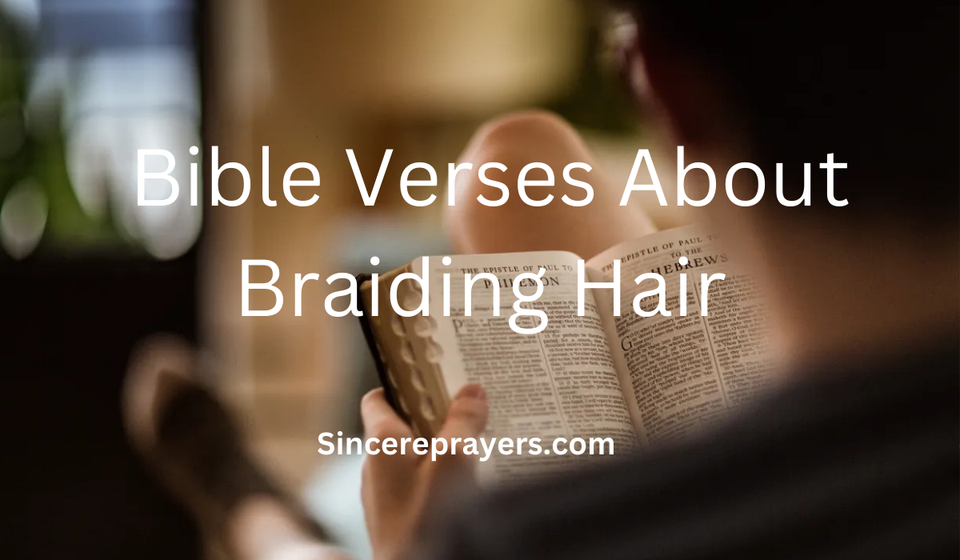
Throughout Scripture, God consistently affirms beauty while redefining its source. Physical adornment, including hair styling, is acknowledged as part of human culture, yet it is never meant to overshadow spiritual identity. Whether discussing women of virtue, men of consecration, or nations adorned by God Himself, the Bible reveals that true beauty flows from obedience, faith, and a heart aligned with God’s will. Hair, whether braided or uncut, becomes meaningful when it reflects devotion rather than vanity.
This collection of 35 powerful Bible verses about braiding hair explores Scripture holistically, balancing biblical guidance on appearance with God’s deeper call to spiritual adornment. Each verse provides insight into how God values inner beauty above outward form, while still recognizing the dignity of caring for one’s appearance. As you read, you’ll discover that biblical teaching on hair ultimately points us toward a life clothed in grace, wisdom, and reverence for God.
35 Powerful Bible Verses About Braiding Hair in 2026
1. 1 Peter 3:3–4
“Your beauty should not come from outward adornment, such as elaborate hairstyles and the wearing of gold jewelry or fine clothes. Rather, it should be that of your inner self.”Peter’s instruction does not condemn braiding hair or outward grooming but reorders priorities for believers. In a culture where status and beauty were displayed through elaborate hairstyles and costly adornment, Peter redirects attention to the inner life shaped by Christ. This verse teaches that spiritual beauty—expressed through humility, gentleness, and reverence—holds eternal value. Braided hair may reflect culture or care, but it must never replace godly character. True adornment is the transformed heart that reflects Christ’s nature and glorifies God beyond physical appearance.
2. 1 Timothy 2:9–10
“I also want the women to dress modestly, with decency and propriety… but with good deeds, appropriate for women who profess to worship God.”Paul addresses how outward presentation should align with inward devotion. The reference to hairstyles highlights excess rather than expression. This passage teaches that worship is reflected not merely in appearance but in conduct and service. Braiding hair is not forbidden; instead, believers are encouraged to ensure their appearance does not distract from their testimony. Modesty here speaks of balance—where good works, humility, and godliness become the primary adornment, demonstrating a life genuinely devoted to God.
3. Judges 16:13
“If you weave the seven braids of my head with the fabric on the loom…”This verse reveals the symbolic significance of Samson’s hair, which was tied to his Nazirite vow and divine calling. The mention of braids emphasizes how closely his physical appearance was connected to spiritual obedience. Samson’s strength was not in the hair itself but in the covenant it represented. This verse teaches that outward symbols—such as hair—carry meaning only when they reflect faithfulness to God. When spiritual commitment is compromised, even sacred symbols lose their power.
4. Numbers 6:5
“No razor may be used on their head… they must let their hair grow long.”The Nazirite vow illustrates how hair functioned as a visible sign of dedication to God. Long, untouched hair symbolized separation, obedience, and submission to divine authority. While this command was specific to a vow, it reveals a broader biblical truth: outward appearance can reflect inward devotion when guided by obedience. This verse reminds believers that physical expressions—whether hair length or style—gain spiritual meaning only when they flow from a heart fully surrendered to God.
5. Song of Songs 4:1
“Your hair is like a flock of goats descending from the hills of Gilead.”This poetic expression celebrates beauty within the safety of covenant love. Unlike passages warning against vanity, this verse affirms that physical beauty—including hair—is worthy of admiration when grounded in love, purity, and commitment. Scripture here shows that God is not opposed to beauty or attraction. Instead, He affirms it when it exists within holiness and mutual honor. Braided or well-kept hair can be appreciated as part of God’s creative design when it reflects dignity rather than pride.
6. Proverbs 31:30
“Charm is deceptive, and beauty is fleeting; but a woman who fears the Lord is to be praised.”This verse contrasts temporary physical attractiveness with lasting spiritual reverence. While outward beauty, including styled or braided hair, can be admired, it is ultimately fleeting and unreliable. The fear of the Lord, however, produces wisdom, integrity, and enduring worth. Scripture teaches that true praise belongs to those whose lives reflect obedience and devotion to God. Braiding hair may enhance appearance, but it cannot define value. A life rooted in reverence for God carries beauty that time, age, and circumstance cannot diminish.
7. Isaiah 3:24
“Instead of well-dressed hair, baldness.”Isaiah uses hair imagery to symbolize the removal of pride and misplaced confidence. Well-dressed hair represented status and self-reliance, which God stripped away as a form of correction. This verse teaches that external adornment can be taken away, especially when it becomes a source of arrogance rather than gratitude. It serves as a warning against trusting in appearance for identity or security. True strength and dignity are found in humility before God, not in carefully styled or braided hair.
8. Ezekiel 16:11–12
“I adorned you with jewelry… and put a crown on your head.”In this passage, God describes how He lovingly adorned Jerusalem, portraying her as a bride blessed by divine favor. Adornment here is not condemned but shown as a gift from God. This verse reveals that beauty, when granted by God, is meant to reflect His glory rather than human pride. Hair, clothing, and ornaments can honor God when they are expressions of gratitude and blessing. The issue is not adornment itself, but whether it points back to God or to self-exaltation.
9. Genesis 24:65
“She took her veil and covered herself.”Rebekah’s response upon meeting Isaac reflects modesty, respect, and humility. While the verse does not mention hair directly, it reinforces biblical principles surrounding appearance and honor. Her action demonstrates awareness of covenant, culture, and reverence. This verse teaches that outward presentation should communicate dignity rather than draw attention to self. Braiding hair, like clothing, can be practiced in ways that align with modesty and respect, reflecting a heart that values honor and godly order.
10. Ecclesiastes 3:11
“He has made everything beautiful in its time.”This verse affirms God as the ultimate source of beauty and order. All forms of beauty—including human appearance—exist within God’s divine timing and purpose. Braided hair, natural textures, and cultural expressions are part of God’s creative design. However, this beauty finds its fullest meaning when aligned with God’s will. The verse reminds believers that beauty is not self-created, but God-given, and it should be embraced with gratitude, balance, and humility rather than obsession or pride.
11. Matthew 6:28–29
“And why do you worry about clothes? See how the flowers of the field grow. They do not labor or spin.”Jesus uses clothing and appearance to teach about trust and priorities. His message is not against caring for appearance, but against anxiety and misplaced focus. If God so beautifully clothes the flowers, He is fully capable of caring for His people. This passage reminds believers that appearance—including hair styling or braiding—should never become a source of worry or identity. True peace comes from trusting God’s provision rather than striving for outward perfection or societal approval.
12. Luke 7:38
“She began to wet his feet with her tears… and wipe them with her hair.”In this powerful moment of repentance and worship, the woman uses her hair as an act of humility and devotion. Hair, often considered a symbol of beauty and dignity, becomes an instrument of surrender before Christ. This verse teaches that what society may prize for appearance can be offered to God in worship. It highlights the transformation of outward beauty into spiritual devotion, showing that the highest purpose of any physical attribute is to glorify God through humility and love.
13. 1 Corinthians 11:15
“But if a woman has long hair, it is her glory.”Paul affirms long hair as a natural covering and a symbol of honor within God’s created order. This verse acknowledges hair as a gift rather than a source of shame. It teaches that hair can reflect dignity and distinction when understood within biblical balance. Braiding or styling hair, therefore, is not sinful in itself but should align with humility and reverence. The passage encourages believers to respect God’s design while ensuring that physical glory never overshadows spiritual obedience.
14. Psalm 139:14
“I praise you because I am fearfully and wonderfully made.”This verse affirms God as the intentional creator of every detail of human life, including physical features like hair texture, length, and uniqueness. It teaches that appearance is not accidental but part of God’s divine craftsmanship. Braided hair, natural styles, and cultural expressions can be embraced with gratitude rather than insecurity. The passage encourages believers to honor God by appreciating how they were created, recognizing that true worth comes from being fashioned by God’s hands, not from meeting external beauty standards.
15. Colossians 3:12
“Therefore, as God’s chosen people… clothe yourselves with compassion, kindness, humility.”Paul shifts the focus from physical clothing to spiritual virtues. This verse teaches that the most important adornment for believers is character shaped by Christ. While caring for appearance has its place, compassion, humility, patience, and love are the garments that define a Christian life. Braiding hair may enhance outward presentation, but these spiritual qualities reveal true identity. The passage calls believers to prioritize inner transformation, allowing Christlike virtues to become their most visible expression.
16. James 1:23–24
“Anyone who listens to the word but does not do what it says is like someone who looks at his face in a mirror.”James uses the mirror as an image of outward appearance to teach about spiritual obedience. Just as physical reflection shows what is visible on the outside, God’s Word reveals the true condition of the heart. This verse reminds believers that focusing solely on outward presentation—such as hair or clothing—without inward obedience is incomplete. Braiding hair may address appearance, but obedience shapes character. True faith is demonstrated not by how we look, but by how faithfully we live out God’s Word.
17. Proverbs 11:22
“Like a gold ring in a pig’s snout is a beautiful woman who shows no discretion.”This striking proverb contrasts outward beauty with inward wisdom. It teaches that physical attractiveness loses its value when unaccompanied by discretion and moral character. The imagery is intentionally strong, reminding readers that beauty without wisdom is misplaced and dishonored. Braided hair, fine clothing, or adornment cannot compensate for a lack of integrity. Scripture consistently elevates wisdom and self-control as the true measures of worth, calling believers to cultivate character alongside appearance.
18. Romans 12:2
“Do not conform to the pattern of this world, but be transformed by the renewing of your mind.”Paul calls believers to resist worldly standards that often elevate appearance over righteousness. This verse challenges Christians to avoid adopting cultural beauty norms that promote pride, excess, or comparison. Braiding hair becomes an issue only when it reflects conformity to vanity rather than devotion to God. Transformation begins in the mind, shaping attitudes, values, and priorities. When the mind is renewed, outward expressions—including appearance—naturally align with God’s will rather than worldly pressure.
19. Galatians 3:27
“For all of you who were baptized into Christ have clothed yourselves with Christ.”This verse declares spiritual identity as the believer’s primary covering. Being clothed with Christ surpasses any physical adornment or hairstyle. It teaches that identity in Christ unites believers beyond cultural differences in appearance. Braided hair, fashion, or grooming choices do not define worth; union with Christ does. This passage encourages Christians to live from their spiritual identity, allowing Christlike character to be the most visible and defining feature of their lives.
20. Psalm 34:5
“Those who look to him are radiant; their faces are never covered with shame.”This verse reveals the source of true radiance—a relationship with God. Radiance here is not cosmetic but spiritual, flowing from trust and hope in the Lord. While appearance may reflect care or culture, this passage teaches that genuine beauty shines from a heart anchored in God’s presence. Braiding hair cannot produce the glow of divine joy. Only looking to God removes shame and fills a person with confidence, peace, and a beauty that reflects His glory.
21. Isaiah 61:10
“He has clothed me with garments of salvation and arrayed me in a robe of his righteousness.”This verse presents salvation and righteousness as God’s chosen adornment for His people. The imagery of clothing emphasizes that what God places upon us spiritually is far more significant than any outward decoration. While braided hair or fine clothing may enhance physical appearance, righteousness defines eternal identity. This passage teaches believers to rejoice not in outward beauty but in being clothed by God Himself. Spiritual adornment brings lasting joy, dignity, and honor that no external styling can ever replace.
22. Zechariah 3:4
“See, I have taken away your sin, and I will put fine garments on you.”God’s act of replacing filthy garments with clean ones symbolizes forgiveness and restoration. This verse highlights that true beauty begins with spiritual cleansing rather than outward refinement. No amount of physical adornment, including braided hair, can conceal sin or replace redemption. Instead, God Himself removes guilt and restores dignity. The fine garments represent grace and acceptance before God, teaching that inner renewal is the foundation upon which any outward appearance should rest.
23. 2 Corinthians 4:16
“Therefore we do not lose heart. Though outwardly we are wasting away, inwardly we are being renewed day by day.”Paul acknowledges the inevitable decline of the physical body while celebrating continual spiritual renewal. This verse teaches that outward appearance, including hair and physical strength, is temporary. Braided hair and grooming may change with time, but inner renewal through Christ remains constant. Scripture encourages believers to invest in what lasts—spiritual growth and faith—rather than clinging to outward youth or beauty. True vitality flows from the Spirit, not from physical preservation.
24. Psalm 45:11
“Let the king be enthralled by your beauty; honor him, for he is your lord.”This verse connects beauty with honor and reverence. The beauty described here is not merely physical but rooted in devotion and respect. It teaches that true attractiveness is revealed through loyalty, humility, and submission to rightful authority. While outward adornment may complement beauty, it is reverence that captivates. Braided hair can enhance appearance, but honor toward God is what truly delights Him. Spiritual beauty expressed through obedience holds far greater value than external display alone.
25. Genesis 41:14
“So Pharaoh sent for Joseph… Joseph shaved and changed his clothes.”Joseph’s preparation before standing in Pharaoh’s presence demonstrates wisdom, respect, and readiness. This verse shows that caring for appearance has a practical place, especially when honoring authority. However, Joseph’s promotion came not from his grooming but from God’s favor and wisdom. Braided hair or proper grooming can reflect order and respect, but destiny is fulfilled through obedience and faithfulness. This passage teaches balance—appearance may prepare the moment, but God determines the outcome.
26. Leviticus 19:32
“Stand up in the presence of the aged, show respect for the elderly and revere your God.”This verse emphasizes honor, reverence, and respect as core expressions of godliness. While it does not speak directly about hair, it reinforces the principle that character outweighs appearance. In biblical culture, dignity was shown through actions rather than adornment. Braiding hair or maintaining one’s appearance should never replace reverence for God or respect for others. This passage reminds believers that true beauty is reflected in humility, honor, and obedience—values that transcend physical presentation and reveal a heart aligned with God’s commands.
27. Matthew 10:30
“And even the very hairs of your head are all numbered.”Jesus uses hair as a symbol of God’s intimate knowledge and care. This verse assures believers that nothing about them is insignificant to God—not even individual strands of hair. It teaches that hair, whether braided or natural, matters only because God values the person to whom it belongs. The emphasis is not on appearance but on divine attention and love. This truth brings comfort, reminding believers that their worth is rooted in God’s care, not in outward beauty or style.
28. Psalm 147:4
“He determines the number of the stars and calls them each by name.”This verse magnifies God’s sovereignty and attention to detail. If God knows every star by name, He certainly knows every detail of human life, including physical features. Hair imagery throughout Scripture reminds believers of God’s precision and care. Braided hair, natural textures, and individual differences are part of His intentional design. This passage encourages humility and awe, reminding believers that beauty and identity originate with God, not personal effort or cultural standards.
29. Revelation 19:8
“Fine linen, bright and clean, was given her to wear.”The fine linen represents the righteous acts of God’s people. This verse teaches that spiritual obedience is the ultimate adornment before God. While physical beauty fades, righteous living shines eternally. Braided hair and outward presentation may reflect culture or care, but they cannot replace holiness. This passage points believers toward eternal priorities, reminding them that what God adorns His people with is not external beauty, but lives marked by faithfulness, purity, and obedience.
30. Isaiah 52:1
“Awake, awake, Zion, clothe yourself with strength.”Isaiah calls God’s people to rise into dignity and holiness. The command to clothe oneself with strength shifts focus from outward decoration to spiritual readiness. This verse teaches that God desires His people to be adorned with righteousness, confidence, and purpose. While caring for appearance has its place, strength and holiness define true beauty. Braiding hair may express culture or care, but spiritual strength equips believers to walk in God’s calling and reflect His glory to the world.
31. Micah 6:8
“What does the Lord require of you? To act justly and to love mercy and to walk humbly with your God.”This verse summarizes God’s expectations for His people, emphasizing character over appearance. Justice, mercy, and humility define a life pleasing to God far more than outward presentation. While braiding hair or caring for one’s appearance can be culturally meaningful, this passage reminds believers that God measures devotion through daily conduct. Walking humbly with God shapes attitudes, decisions, and relationships. True beauty emerges when a life reflects justice, compassion, and obedience rather than an excessive focus on outward adornment.
32. Psalm 90:17
“May the favor of the Lord our God rest on us; establish the work of our hands for us.”This verse highlights divine favor as the source of lasting beauty and success. God’s blessing, not outward appearance, brings fulfillment and purpose. While physical presentation may open doors socially, only God’s favor establishes a person’s life and work. Braided hair and grooming choices are secondary to walking in God’s grace. This passage encourages believers to seek God’s approval above all else, trusting that His favor brings dignity, confidence, and a beauty that flows from a life rooted in Him.
33. 1 Samuel 16:7
“The Lord does not look at the things people look at… the Lord looks at the heart.”This verse clearly defines God’s standard for evaluation. Humans often judge by outward appearance, including physical features and grooming, but God assesses the heart. Braided hair, clothing, and external beauty may influence human perception, yet they hold no weight in God’s judgment. This passage challenges believers to prioritize inner purity, faith, and obedience. It reassures readers that worth is not determined by appearance but by a heart aligned with God’s will and purposes.
34. Philippians 4:8
“Whatever is true, whatever is noble, whatever is right… think about such things.”Paul instructs believers to shape their minds around godly values. This verse teaches that inner focus ultimately influences outward behavior. When the mind dwells on purity, excellence, and truth, outward expression naturally reflects balance and wisdom. Braiding hair or choosing a particular style should never stem from insecurity or comparison. Instead, this passage encourages believers to let godly thinking guide choices, ensuring that appearance flows from peace, self-control, and a Christ-centered mindset.
35. Revelation 3:18
“I counsel you to buy from me… white clothes to wear, so you can cover your shame.”This verse emphasizes spiritual covering over physical adornment. The white garments symbolize righteousness and restoration offered by Christ. No outward beauty, hairstyle, or adornment can conceal spiritual emptiness or shame. Only Christ provides true covering. This passage concludes the theme by reminding believers that eternal beauty is found in salvation and obedience. Braided hair may decorate the body, but righteousness adorns the soul, preparing believers for lasting fellowship with God.
Concusion
The Bible’s teachings on braiding hair are not about restriction but redirection. Scripture consistently points believers away from obsession with outward appearance and toward the cultivation of inward beauty. Braided hair, jewelry, and clothing are not condemned outright; instead, they are placed in proper perspective. God’s Word gently reminds us that while physical adornment fades, spiritual character endures. True beauty is measured not by what is seen, but by who we are becoming in Christ.
Throughout these verses, a clear biblical pattern emerges: God values the heart above all else. Whether hair symbolizes consecration, humility, worship, or cultural expression, its greatest purpose is fulfilled when it reflects a life surrendered to God. The Scriptures affirm dignity, creativity, and care for one’s appearance while firmly establishing that righteousness, wisdom, and reverence are the highest forms of adornment.
As believers, we are invited to clothe ourselves daily in compassion, humility, and faith. When our inner lives are aligned with God’s truth, outward expression naturally follows in balance and grace. May these Bible verses inspire you to embrace both spiritual beauty and godly identity, walking confidently in the knowledge that you are wonderfully made and eternally adorned by God’s love.